
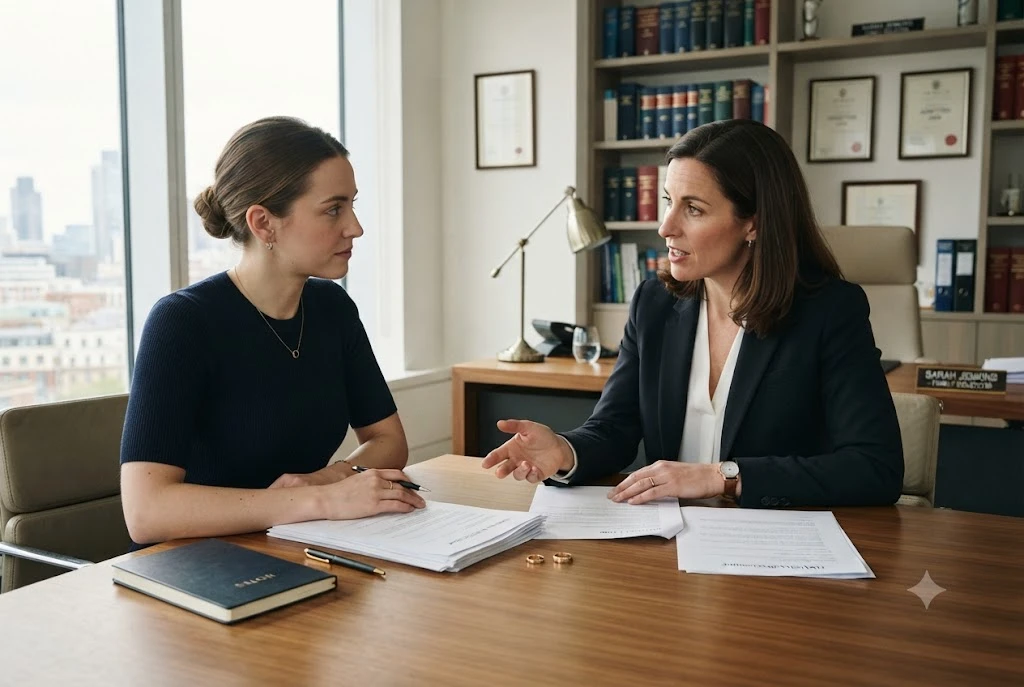

Ending a legally recognised relationship is never easy, and understanding the process of civil partnership dissolution can help reduce uncertainty during an already challenging time. Whether you have mutually agreed to separate or your circumstances are more complex, knowing your legal rights and obligations is essential. This guide explains how the dissolution process works in England and Wales, what issues need to be resolved, and how experienced family law solicitors can support you throughout the journey.
What Is Civil Partnership Dissolution?
Civil partnership dissolution is the legal process used to end a registered civil partnership. It serves a similar purpose to divorce but applies specifically to civil partners rather than married couples.
Once the court grants a Final Order, the civil partnership legally ends. However, issues relating to finances, pensions, property, and children may still require separate agreements or court orders.
How Does the Dissolution of Civil Partnership Work?
The dissolution of civil partnership process in England and Wales follows the no-fault legal framework introduced in 2022. This means neither party needs to prove unreasonable behaviour, adultery, or any other reason for ending the relationship.
The general process includes:
- Submitting an application individually or jointly.
- Completing the mandatory reflection period.
- Applying for the Conditional Order.
- Waiting the required legal timeframe.
- Applying for the Final Order to legally end the partnership.
Although the procedure appears straightforward, many couples require legal advice regarding finances and child arrangements before finalising the dissolution.
Who Can Apply?
Generally, you can apply if:
- Your civil partnership is legally recognised in England or Wales.
- You have been in the partnership for at least one year.
- The UK courts have jurisdiction over your case.
If your civil partnership was registered overseas, specialist legal advice may be required to confirm whether the UK courts can deal with your application.
Is Civil Partnership Dissolution the Same as Divorce?
Many people refer to the process as a civil partnership divorce. While the two procedures are now very similar under UK law, they remain legally distinct.
Marriage ends through divorce, whereas registered civil partnerships end through dissolution. The legal principles concerning finances and children are often comparable, but the terminology differs.
Financial Matters During Civil Partnership Dissolution
One of the most important aspects of any separation involves reaching a fair financial settlement.
This may include:
- Family home ownership
- Savings and investments
- Business interests
- Pensions
- Outstanding debts
- Maintenance arrangements where appropriate
The court aims to achieve a fair outcome based on each party’s circumstances rather than automatically dividing assets equally.
Obtaining professional advice before agreeing financial terms can help protect your long-term interests.
Arrangements for Children
If children are involved, their welfare remains the court’s highest priority.
Parents are encouraged to reach agreements regarding:
- Living arrangements
- Time spent with each parent
- Education
- Medical decisions
- Financial support
Most child-related matters are dealt with separately from the dissolution application itself.
Do You Need Civil Partnership Dissolution Solicitors?
While legal representation is not compulsory, many people choose to instruct civil partnership dissolution solicitors because family law cases often involve complex financial or parenting issues.
A solicitor can:
- Explain your legal rights
- Prepare court documents correctly
- Negotiate financial settlements
- Represent you if disputes arise
- Help avoid unnecessary delays
Professional advice can also reduce the likelihood of future legal disagreements after the partnership has ended.
What Do Civil Partnership Dissolution Services Include?
Professional civil partnership dissolution services often extend well beyond filing court paperwork.
These services may include:
- Initial legal consultation
- Case assessment
- Financial settlement advice
- Consent order preparation
- Child arrangement guidance
- Court representation where necessary
- Mediation support
Every case is different, so legal advice should always reflect your individual circumstances.
Can You Resolve Matters Without Going to Court?
Yes. Many separating couples successfully negotiate agreements outside court using solicitor-led negotiations or mediation.
Alternative dispute resolution often:
- Saves time
- Reduces legal costs
- Encourages cooperation
- Provides greater flexibility
- Reduces emotional stress
However, court intervention may become necessary if significant disagreements cannot be resolved.
Common Mistakes to Avoid
Finalising the Dissolution Too Early
Ending the partnership before resolving financial matters can sometimes affect legal rights.
Ignoring Pension Assets
Pensions are often among the most valuable assets and should not be overlooked during negotiations.
Making Informal Agreements
Verbal agreements may not provide sufficient legal protection. Properly drafted court-approved orders offer greater certainty.
Delaying Legal Advice
Early legal guidance can prevent unnecessary complications and ensure informed decision-making throughout the process.
Related Family Law Issues
Family law covers many different types of relationships and legal protections. For couples who live together without entering a civil partnership or marriage, understanding cohabitation law is equally important. Likewise, many couples choose to protect themselves before moving in together by signing a cohabitation agreement.
There is also widespread confusion surrounding common law marriage and whether unmarried couples receive the same legal rights as married or civil partnered couples. Understanding these differences can help individuals make informed decisions about their future.
When Should You Seek Legal Advice?
You should consider obtaining legal advice as early as possible if:
- You own property together.
- There are significant financial assets.
- Children are involved.
- Your partner refuses to cooperate.
- You are unsure about your legal rights.
- You believe overseas assets may affect the case.
Early advice often helps avoid costly mistakes and supports a smoother legal process.
Conclusion
The process of civil partnership dissolution has become more straightforward under modern UK law, but every family’s circumstances remain unique. While the legal application itself may appear simple, decisions involving finances, property, pensions, and children can have lasting consequences.
Seeking advice from experienced family law professionals ensures your rights are protected and helps you move forward with confidence. Whether your separation is amicable or contested, obtaining tailored legal guidance can make the process clearer, more efficient, and less stressful.
