
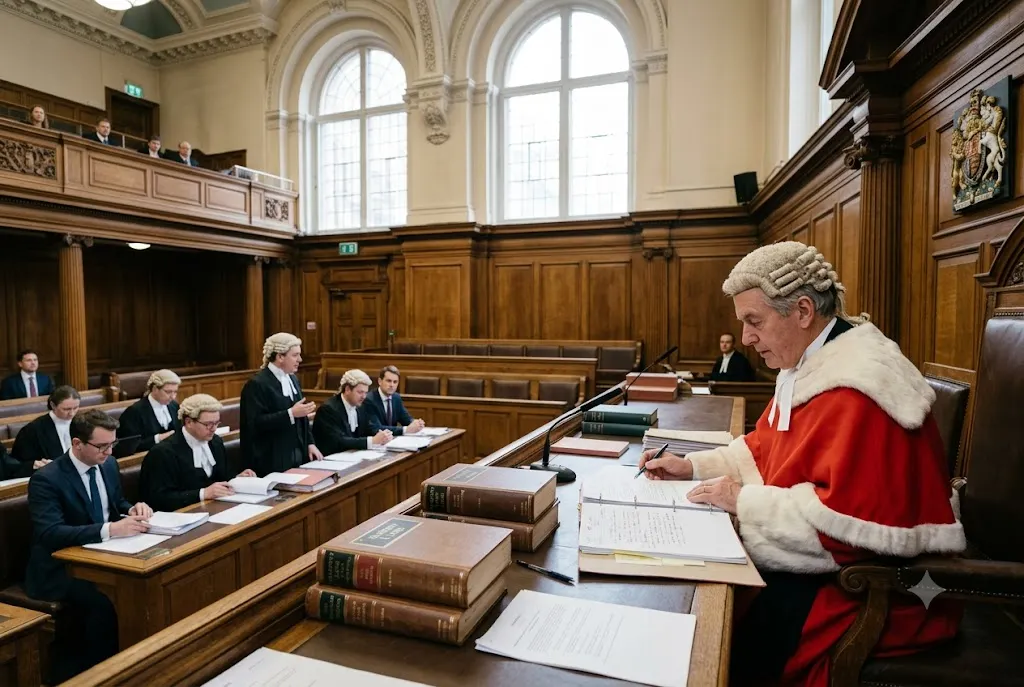

Legal precedent is one of the defining features of the legal system in England and Wales. It ensures that similar cases are decided consistently by allowing courts to follow principles established in earlier judicial decisions. This approach promotes fairness, predictability, and stability, enabling individuals, businesses, and legal professionals to understand how the law is likely to be applied.
Whether resolving commercial disputes, interpreting legislation, or advising clients, legal precedent plays a fundamental role in the development of UK law. This guide explains how the doctrine of precedent works, its relationship with case law and legislation, and why it remains essential to the administration of justice.
What Is Legal Precedent?
Legal precedent is the principle that courts should follow legal rules established in previous decisions when dealing with similar facts or legal issues. This doctrine, often referred to as stare decisis, promotes consistency and ensures that the law develops in a logical and predictable manner.
When a higher court decides a case, the legal principles established in that judgment may become binding on lower courts hearing similar disputes in the future.
Why Legal Precedent Matters
The doctrine of precedent provides numerous benefits for the UK legal system.
- Promotes consistency in judicial decisions.
- Provides certainty for businesses and individuals.
- Supports fairness by treating similar cases alike.
- Reduces unnecessary litigation.
- Allows the law to develop gradually through judicial interpretation.
- Helps lawyers predict likely court outcomes.
For businesses, predictable legal outcomes make it easier to assess commercial risks, negotiate contracts, and resolve disputes efficiently.
Sources of Law in the UK
Understanding legal precedent also requires an appreciation of the main sources of law in the United Kingdom. These sources work together to create the legal framework governing businesses and individuals.
Legislation
Legislation consists of Acts of Parliament and statutory instruments. It is the primary source of law and establishes legally enforceable rules across areas such as company law, employment law, and commercial regulation.
Case Law
Case law develops through judicial decisions. Courts interpret legislation, resolve legal disputes, and establish precedents that influence future cases.
Common Law
Many legal principles have evolved through centuries of judicial decisions rather than being created directly by Parliament. Common law continues to influence numerous areas of commercial and contractual law.
Binding and Persuasive Precedent
Not every court decision has the same authority. UK courts distinguish between binding and persuasive precedent.
Binding Precedent
A binding precedent must generally be followed by lower courts within the judicial hierarchy when similar legal issues arise.
Examples include decisions made by:
- The Supreme Court
- The Court of Appeal
- The High Court (in appropriate circumstances)
Persuasive Precedent
Persuasive precedents may influence a court’s decision but do not have to be followed. These may include:
- Judgments from lower courts.
- Decisions from courts in other Commonwealth jurisdictions.
- Academic legal commentary.
- Obiter dicta from previous judgments.
Judges may consider persuasive authorities when no binding precedent exists or when the law is developing in a new area.
How Case Law Develops
Case law develops as courts interpret legislation and apply legal principles to real disputes. Over time, these decisions create an expanding body of judicial authority that shapes future legal interpretation.
Examples include:
- Commercial contract disputes.
- Corporate governance issues.
- Employment disputes.
- Professional negligence claims.
- Consumer protection cases.
Each important judgment may clarify uncertain areas of law or establish entirely new legal principles.
The Relationship Between Legislation and Legal Precedent
Although Parliament creates legislation, courts frequently interpret how those laws apply in practice. Legal precedent ensures that similar statutory provisions are interpreted consistently across different cases.
If legislation is amended, courts must apply the updated law. However, previous judicial decisions often remain valuable in explaining how particular legal concepts should be interpreted.
Legal Precedent in Commercial Law
Businesses rely heavily on legal precedent because commercial certainty is essential for investment and long-term planning.
Precedent helps determine how courts interpret:
- Commercial contracts.
- Company directors’ duties.
- Shareholder disputes.
- Corporate governance obligations.
- Business negligence claims.
- Contractual remedies.
This consistency enables businesses to make informed decisions while reducing unnecessary legal uncertainty.
Limitations of Legal Precedent
Although precedent provides stability, it also has limitations.
- Some precedents become outdated.
- Changing social and commercial conditions may require new interpretations.
- Complex factual differences may make earlier decisions difficult to apply.
- Occasionally, higher courts overturn previous rulings when the law needs to evolve.
The flexibility of the UK legal system allows courts to balance legal certainty with necessary legal development.
Why Legal Professionals Must Understand Precedent
Solicitors, barristers, judges, and legal researchers rely on precedent every day when advising clients or preparing cases. Accurate legal research requires identifying relevant authorities and understanding how earlier judgments influence current disputes.
For businesses, understanding judicial interpretation is equally valuable. Those involved in commercial transactions should also become familiar with English contract law, which governs many business agreements. Likewise, organisations making strategic financial decisions benefit from understanding law and corporate finance, where judicial decisions frequently influence corporate governance and financial transactions.
Conclusion
Legal precedent remains a cornerstone of the UK legal system. By ensuring consistency, fairness, and predictability, precedent enables courts to apply the law in a structured and reliable manner. Alongside legislation and other sources of law, judicial decisions continue to shape how legal principles evolve, giving businesses and individuals greater confidence when navigating legal issues.
For official information about the UK court system and judgments, visit the Judiciary of England and Wales. For current legislation, the UK Legislation website provides authoritative legal resources.

2 Comments
Pingback: Law and Corporate Finance: UK Business Guide
Pingback: Business Contract Law: Essential Guide for UK Companies