
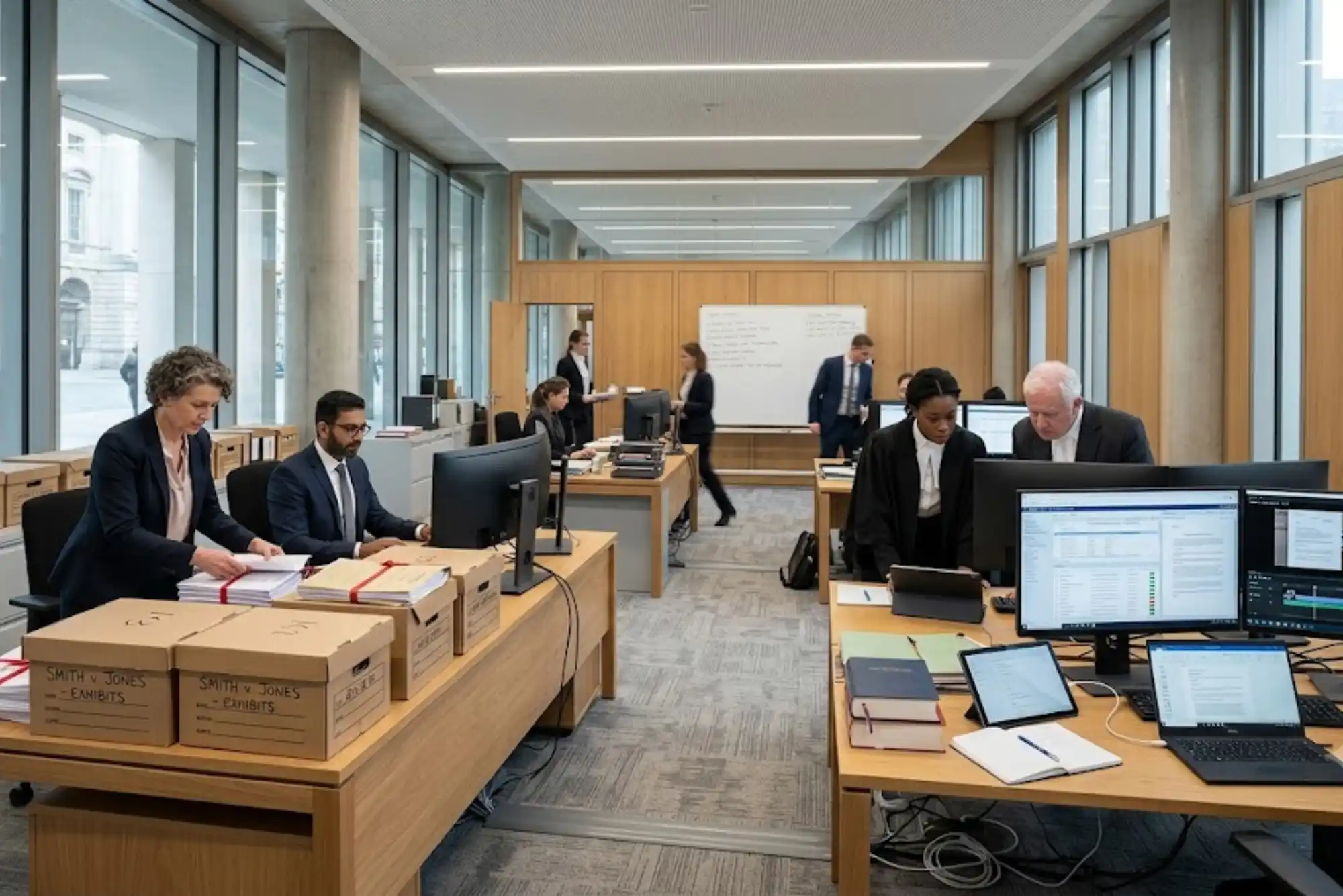

Civil proceedings are the legal processes used to resolve disputes between individuals, businesses, organisations, or public bodies. Unlike criminal cases, civil proceedings do not focus on punishing offenders. Instead, they aim to settle disagreements and provide remedies to the affected parties.
Every year, thousands of civil cases are handled across UK courts involving contracts, property disputes, employment matters, negligence claims, and commercial disagreements.
Understanding how civil proceedings work can help individuals and businesses make informed decisions if legal disputes arise.
What Are Civil Proceedings?
Civil proceedings are formal legal actions brought before a court to resolve private disputes.
They generally involve one party making a claim against another to seek a legal remedy.
Common outcomes may include:
- Financial compensation
- Court orders
- Injunctions
- Declarations of rights
- Specific performance orders
The primary objective is to restore fairness rather than impose criminal punishment.
What Is Private Law?
Private law governs legal relationships between individuals, businesses, and organisations.
Most civil proceedings fall within this area.
Examples include:
- Contract disputes
- Property disagreements
- Professional negligence claims
- Commercial disputes
- Consumer matters
Private law differs from public law, which focuses on relationships between individuals and government bodies.
Civil Proceedings Versus Criminal Proceedings
People often confuse civil and criminal cases, but they serve different purposes.
Civil Proceedings
- Resolve disputes between parties
- Usually involve compensation or remedies
- Initiated by claimants
- Apply the balance of probabilities standard
Criminal Proceedings
- Address offences against society
- Can result in punishment
- Usually prosecuted by the state
- Apply the beyond reasonable doubt standard
Understanding this distinction is essential when navigating the legal system.
What Is a Claimant and a Defendant?
In civil proceedings, the parties are generally known as:
- Claimant: The person or organisation bringing the claim.
- Defendant: The person or organisation responding to the claim.
Both parties present evidence, legal arguments, and supporting documentation.
Common Types of Civil Cases
Civil proceedings cover numerous legal disputes.
Examples include:
- Breach of contract claims
- Property disputes
- Debt recovery
- Professional negligence
- Employment disagreements
- Consumer disputes
- Commercial litigation
How Civil Proceedings Usually Work
Although each case is different, most civil proceedings follow a similar process.
1. Pre-Action Stage
Parties are encouraged to resolve disputes before court action begins.
This often involves:
- Formal correspondence
- Negotiation
- Mediation
- Settlement discussions
2. Filing a Claim
If resolution is unsuccessful, the claimant files legal documents with the court.
3. Defence Submission
The defendant responds to the allegations.
4. Case Management
The court sets timetables and procedural requirements.
5. Evidence Exchange
Both parties share relevant information and documents.
6. Hearing or Trial
The court hears arguments and reaches a decision.
7. Judgment
The judge determines the outcome and any applicable remedies.
What Is an Attorney in Power?
Many people search for attorney in power when researching legal representation.
In the UK, this commonly refers to a lasting power of attorney, a legal arrangement allowing someone to make decisions on another person’s behalf under specific circumstances.
A power of attorney is different from court representation during civil proceedings.
Solicitors and barristers usually provide professional legal representation within court cases.
How Contract Law Frequently Leads to Civil Cases
Many civil disputes originate from contractual disagreements.
These disputes may involve unpaid invoices, service failures, or breaches of agreed terms.
Readers may find additional guidance in English contract law and legally binding agreements.
How Businesses Can Reduce Civil Disputes
Proactive legal planning often reduces litigation risks.
Businesses should prioritise:
- Clear contracts
- Written policies
- Document retention
- Compliance systems
- Risk assessments
Companies may also benefit from reading business law advice for UK organisations.
How Case Law Influences Civil Proceedings
Judicial decisions regularly influence how civil courts interpret legal issues.
Previous rulings often guide judges in future disputes.
This topic closely connects with legal case law and judicial precedent in the UK.
How General Legal Obligations Help Prevent Disputes
Many disputes arise because legal obligations were misunderstood or ignored.
Understanding legal responsibilities early often prevents unnecessary litigation.
Readers who are new to legal concepts may begin with general obligations law and legal responsibilities in the UK.
What Is Define Crime in Law?
People often search for define crime in law when comparing legal systems.
A crime is an act or omission prohibited by criminal law and punishable by the state.
Civil proceedings are separate because they focus on resolving disputes between parties rather than prosecuting criminal offences.
Where to Find Official UK Court Guidance
Individuals and businesses can access practical information through the official UK courts and tribunals guidance.
The resource explains procedures, court services, and available support.
Final Thoughts
Civil proceedings are a vital part of the UK legal system because they provide structured methods for resolving disputes fairly.
Understanding how civil cases work enables individuals and businesses to protect their interests, minimise risks, and approach legal disagreements more confidently.
As this UK law content hub continues to expand, the final article covering practical legal resources will complete this interconnected legal knowledge cluster.
