
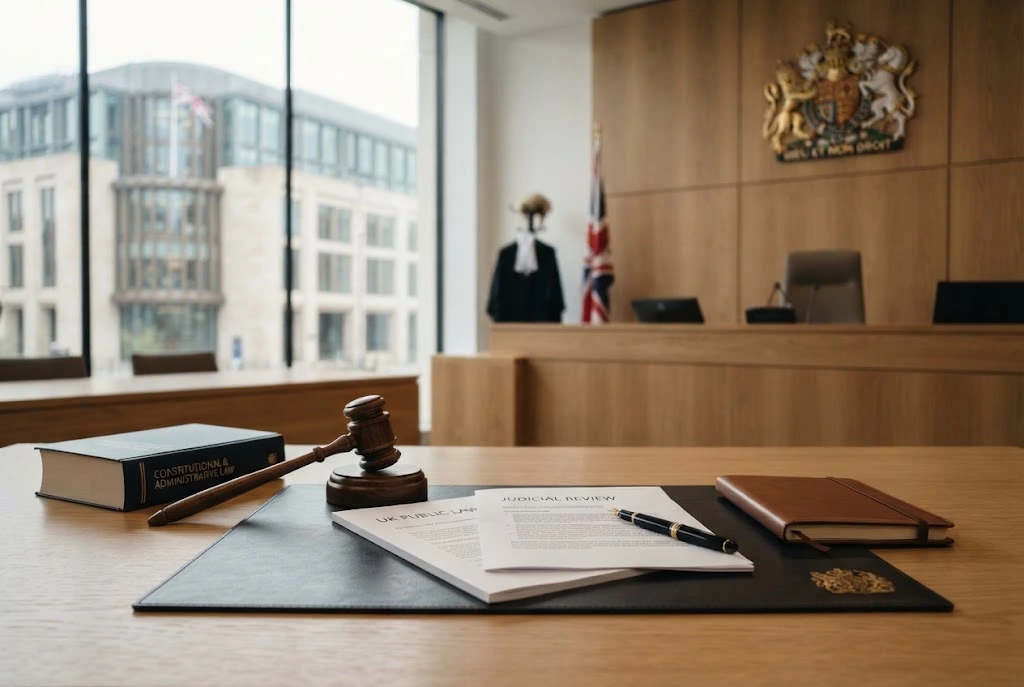

What is public law? Public law is the area of law concerned with the relationship between individuals, organisations and the state. It governs how public bodies exercise their powers and provides legal principles for ensuring that government and other public authorities act within the limits of the law. In the UK, public law is particularly important when decisions made by government departments, local authorities, regulators or other bodies exercising public functions affect individuals or businesses.
Understanding public law also helps explain several important areas of the UK legal system, including common law in the UK, case law and the wider sources of law. Together, these concepts provide the framework within which public authorities and businesses operate.
What Is Public Law?
Public law deals primarily with the exercise of public power. It is concerned with whether public authorities have acted lawfully, fairly and within the powers given to them by legislation or other recognised legal sources.
Public authorities can include central government departments, local authorities, regulators, tribunals and other organisations carrying out public functions. The precise application of public law depends on the nature of the organisation, the function being performed and the legal powers involved.
For example, a local authority may have statutory powers to make decisions concerning planning, licensing or local services. Public law principles can become relevant where someone believes that the authority has exercised those powers unlawfully or failed to follow the required legal process.
This makes public law different from many areas of private law. Private law commonly concerns disputes between individuals or private organisations, such as contractual or commercial disputes. Public law, by contrast, focuses on the exercise and control of public power.
How Does Public Law Work in the UK?
Public law in the UK operates through a combination of legislation, common law principles, judicial decisions and constitutional principles. Parliament creates legislation that gives public authorities powers and responsibilities, while courts interpret and apply those legal rules.
The courts can also supervise the exercise of public powers through judicial review. The purpose is not normally for a judge to substitute their preferred decision for that of a public authority. Instead, judicial review examines whether a decision or action was lawful.
The Ministry of Justice explains that judicial review allows a person with sufficient interest to ask a court to review the lawfulness of an enactment, decision, action or failure to act in relation to the exercise of a public function.
Why Is Public Law Important?
Public law is important because public authorities can exercise significant powers that affect people’s rights, responsibilities, businesses and everyday lives. Legal controls help ensure that those powers are exercised according to the law rather than arbitrarily.
For businesses, public law can become relevant in areas such as regulation, licensing, procurement, planning, taxation, environmental requirements and decisions made by public authorities. A business may therefore encounter public law even when its primary legal concerns appear to be commercial.
For individuals, public law can provide mechanisms for challenging certain unlawful decisions by public bodies. It therefore forms an important part of the wider principle that public authorities must exercise their powers within the boundaries established by law.
Public Law and Judicial Review
One of the most important practical areas of public law is judicial review. Judicial review allows the courts to examine the legality of certain decisions or actions involving public functions.
The Civil Procedure Rules describe a claim for judicial review as a claim to review the lawfulness of an enactment or a decision, action or failure to act in relation to the exercise of a public function.
Judicial review can therefore be relevant where a public authority is alleged to have acted outside its legal powers, followed an unfair procedure or otherwise made a legally flawed decision. The courts may provide appropriate remedies where the legal requirements for judicial review are satisfied.
Importantly, judicial review is generally concerned with the legality of a decision rather than simply whether the decision was the best or most desirable one. The explanatory notes to the Judicial Review and Courts Act 2022 specifically distinguish judicial review from an assessment of the merits of a decision.
What Can Happen After Judicial Review?
Depending on the circumstances, the court may grant remedies such as a quashing order, mandatory order, prohibiting order or declaration. The available remedy depends on the nature of the legal problem and the circumstances of the case.
There are also procedural requirements and time limits that apply to judicial review claims. Under Civil Procedure Rule 54.5, claims generally need to be filed promptly and, subject to specific exceptions, no later than three months after the grounds for the claim first arose.
Anyone considering a public law challenge should therefore obtain appropriate legal advice promptly rather than assuming that a general civil claim or appeal procedure will apply.
Public Law and Legislation
Legislation is a fundamental part of public law because Parliament can create legal powers, duties and procedures for public authorities. A statute may specify what an authority can do, what it must do and how certain decisions must be made.
This is why understanding what legislation means in business is also useful for companies dealing with regulators or public bodies. Businesses may need to understand not only private contractual obligations but also statutory requirements imposed by Parliament.
Legislation can also establish the framework within which courts exercise particular powers. Where a public authority acts under a statutory scheme, the wording and purpose of the relevant legislation can therefore be central to determining whether its conduct was lawful.
Public Law and Common Law
Public law is closely connected with the common law. The UK legal system has developed many important principles through judicial decisions, including principles governing administrative decision-making and the exercise of public power.
Understanding common law examples can therefore help readers understand how legal principles can develop through decisions of the courts. These decisions may also contribute to the development and interpretation of legal rules applied in public law.
However, common law is not the only source of public law. Legislation, constitutional principles and other recognised sources of law can also be important. This is why the broader concept of sources of law is useful when studying or researching the UK legal system.
Public Law and Case Law
Case law can play a significant role in public law because courts interpret legislation and develop legal principles through their decisions. Earlier decisions may influence how later courts approach similar legal questions, subject to the rules governing precedent and the particular court involved.
This makes what case law means an important related topic for anyone studying public law. A proper understanding of case law helps explain how courts apply legal principles to specific factual situations.
Public law cases can therefore provide practical examples of how concepts such as legality, procedural fairness and the limits of public power operate in real disputes.
Examples of Public Law Issues
Public law can arise in many different circumstances. Examples include a challenge to a local authority decision, a dispute involving a regulator, a question about whether a public body has exceeded its statutory powers, or a challenge concerning the procedure used to reach an administrative decision.
For businesses, a public law issue might arise when a regulatory authority makes a decision affecting a company’s licence or when a public authority exercises statutory powers in a way that the business believes is unlawful.
For individuals, public law may become relevant when a government department or other public authority makes a decision that directly affects them and there is a legal basis for challenging the lawfulness of that decision.
Public Law vs Private Law
The distinction between public and private law is useful, although the boundaries can sometimes be more complicated in practice.
Public law generally concerns the relationship between individuals or organisations and public authorities and the exercise of public powers. Private law generally governs relationships between private parties, including areas such as contracts, property, negligence and commercial disputes.
For example, a contractual disagreement between two private companies will ordinarily be a private law matter. By contrast, a challenge to a regulatory decision affecting one of those companies may involve public law principles.
The distinction matters because different legal procedures, remedies and principles may apply depending on the nature of the dispute.
Why Businesses Should Understand Public Law
Public law is not limited to government departments or individuals bringing judicial review claims. Businesses can also be affected by decisions made under public powers.
A company operating in a regulated sector may interact with government departments, local authorities, regulators or other public bodies. Planning permissions, licences, regulatory decisions, public procurement and statutory compliance can all create situations where an understanding of public law is valuable.
Business owners and directors should therefore recognise that legal risk can extend beyond contracts and commercial transactions. Understanding the relevant statutory framework and the powers of the public authorities involved can help businesses identify potential legal issues earlier.
How Public Law Connects With Other Areas of UK Law
Public law should be viewed as part of the wider UK legal system rather than as an isolated subject. Its principles interact with legislation, judicial decisions, constitutional rules and established legal precedent.
Readers who want to build a broader understanding should explore common law in the UK, case law and its meaning, and the different sources of law. For business-focused research, understanding business legislation can provide useful additional context.
These areas are interconnected. Legislation may establish powers, courts may interpret that legislation, and legal precedent may influence how similar disputes are decided in the future.
Final Thoughts
So, what is public law? It is the body of law that regulates the exercise of public power and helps ensure that public authorities act within the legal limits placed upon them. It is particularly important when decisions by government departments, local authorities, regulators and other bodies exercising public functions affect individuals or businesses.
For anyone dealing with public authorities, studying UK law or managing a regulated business, a clear understanding of public law provides an important foundation for recognising legal rights, responsibilities and potential challenges.

1 Comment
Pingback: Common Law UK: Meaning, Principles and Examples